
- ☀️ Light
Thrives in medium indirect light, and can also tolerate low light.
- 💧 Watering
Water every 1 to 2 weeks, allowing the soil to dry out between waterings.
- 🤒 Signs of an unhappy plant
Wilting leaves, dry soil: lack of water
Yellowed leaves and blackened, mushy base: root rot, overwatered
Greasy black spots on leaves, wilting leaves: environment too cold
- ❤️🩹 Ease of care
❤️🩹❤️🩹❤️🩹❤️🩹/5
Aglaonemas are the ideal plants for low-light environments. This characteristic makes them perfect candidates for offices and interiors where natural light is scarce.
Indeed, their ability to adapt to low-light conditions makes them extremely popular, and their relatively simple care makes them a top choice for plant lovers, whether beginners or experienced.
Why choose Aglaonemas?
Originally from the humid and shaded rainforests of Asia, these plants are naturally adapted to dark environments.
Since their commercial introduction in the United States in the 1930s, they have become increasingly robust thanks to horticultural advances. Aglaonemas are also known to be very tolerant of neglect. This means they can survive even if you forget to water them from time to time.. interesting. On top of that, they have a certain ability to purify the air. Gogogo if you want to add a touch of "freshness" to your living room or office!
Aglaonema cultivars
There are currently 24 known species of Aglaonema, among the most popular of which the Aglaonema pictum tri-color stands out for its unique and colourful leaves. Each cultivar offers a different aesthetic, allowing plant lovers to choose those that best match their expectations and décor.
Leaf appearance and characteristics
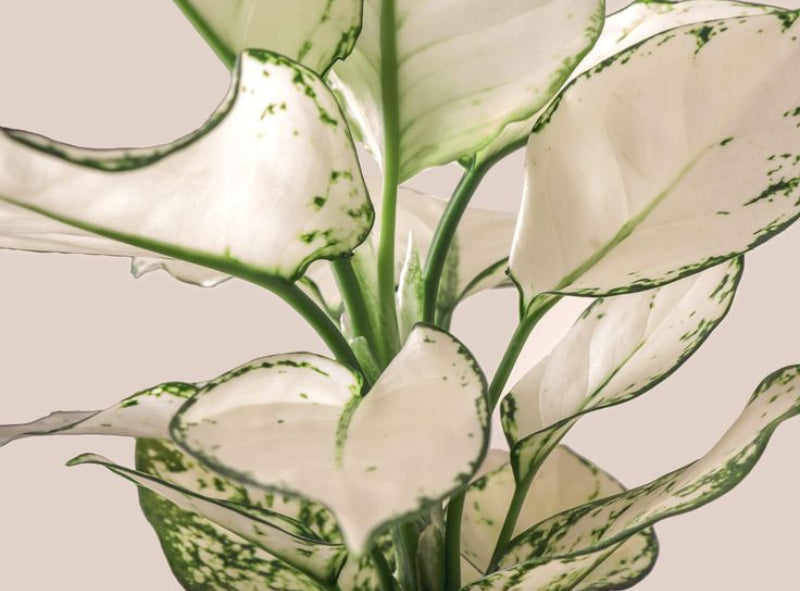
The leaves of Aglaonemas are their main asset. In their natural habitat, they often display variegation due to air pockets between cell layers, creating patterns of varied colours. On the market, you can find Aglaonemas with red, white, pink, and of course, green leaves.
This diversity of colours and patterns makes Aglaonemas particularly appealing to plant lovers who want to add a splash of colour to their space. The leaves are not only beautiful but also robust, capable of withstanding varied conditions without losing their lustre.
Ideal growing conditions
Light
Aglaonemas prefer indirect and moderate light. They can tolerate low light, making them perfect for dimly lit interiors. However, exposure to too intense light can damage their leaves. It is therefore advisable to place these plants a few metres from a window or in a room that receives filtered light.
If you notice that the leaves are starting to discolour or scorch, it may be necessary to move them to a shadier spot.
Temperature and humidity
These tropical plants don't like temperatures below 13°C. They thrive best in a humid environment.
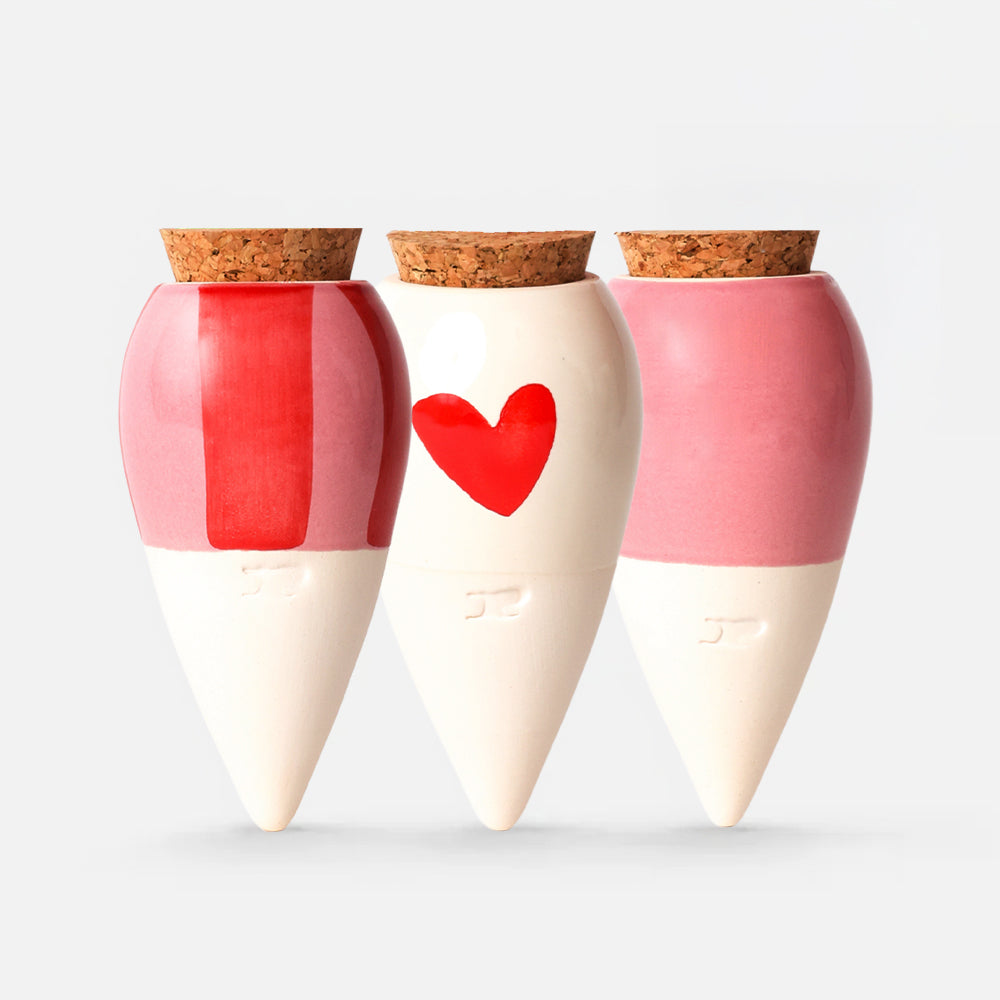
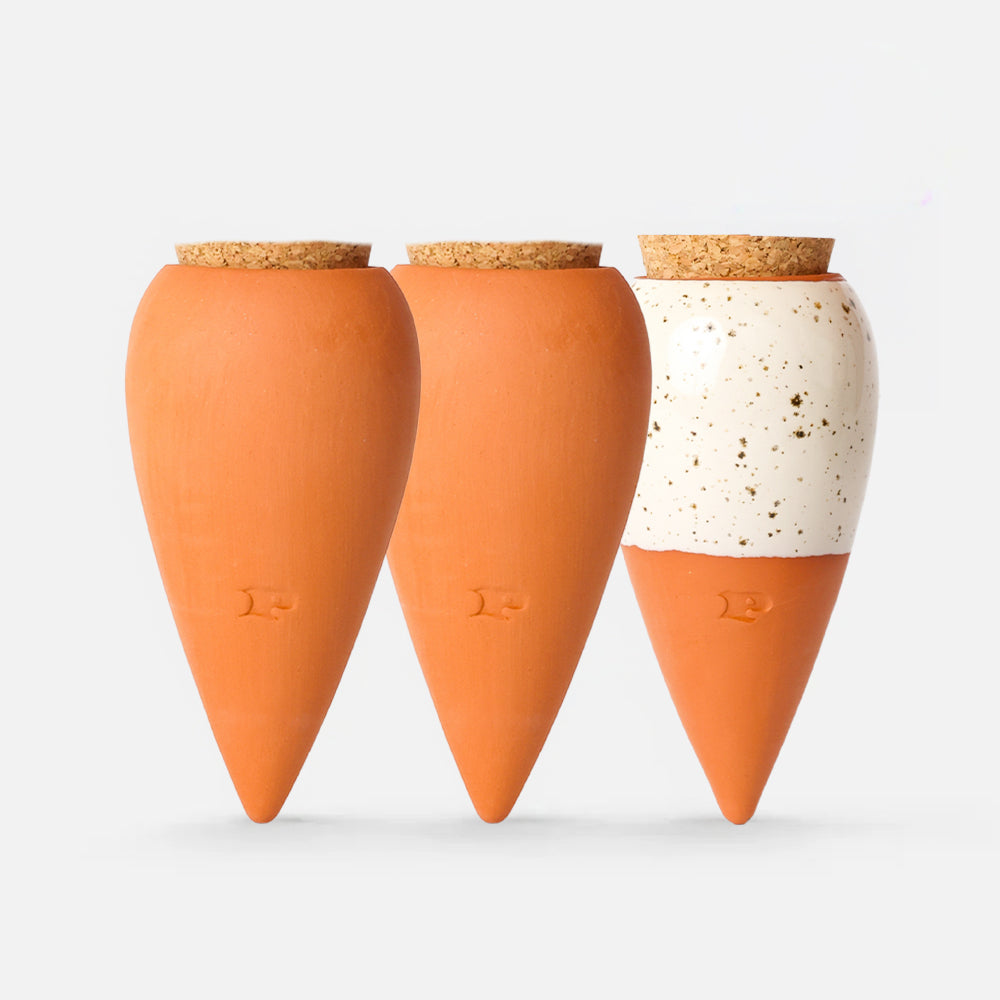
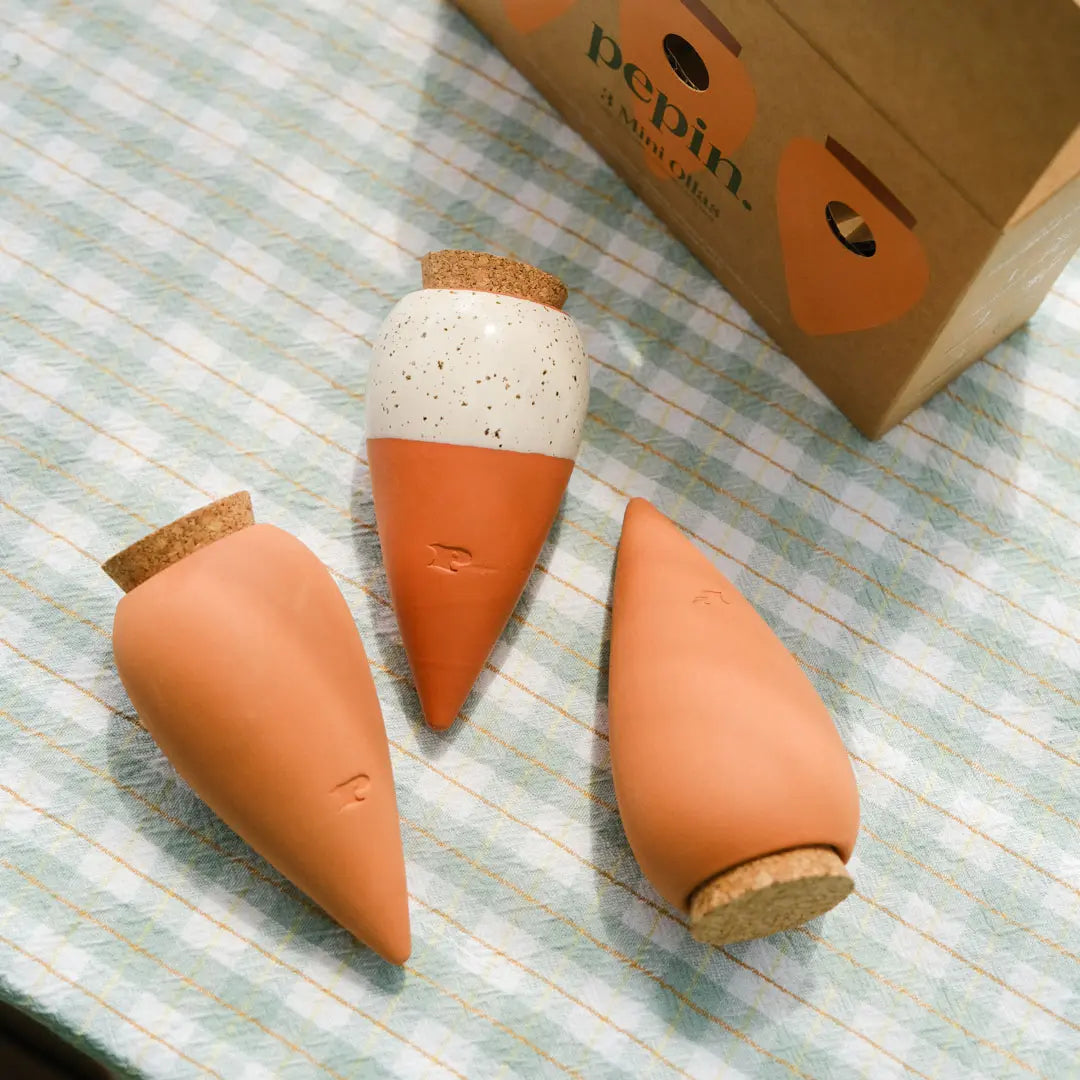
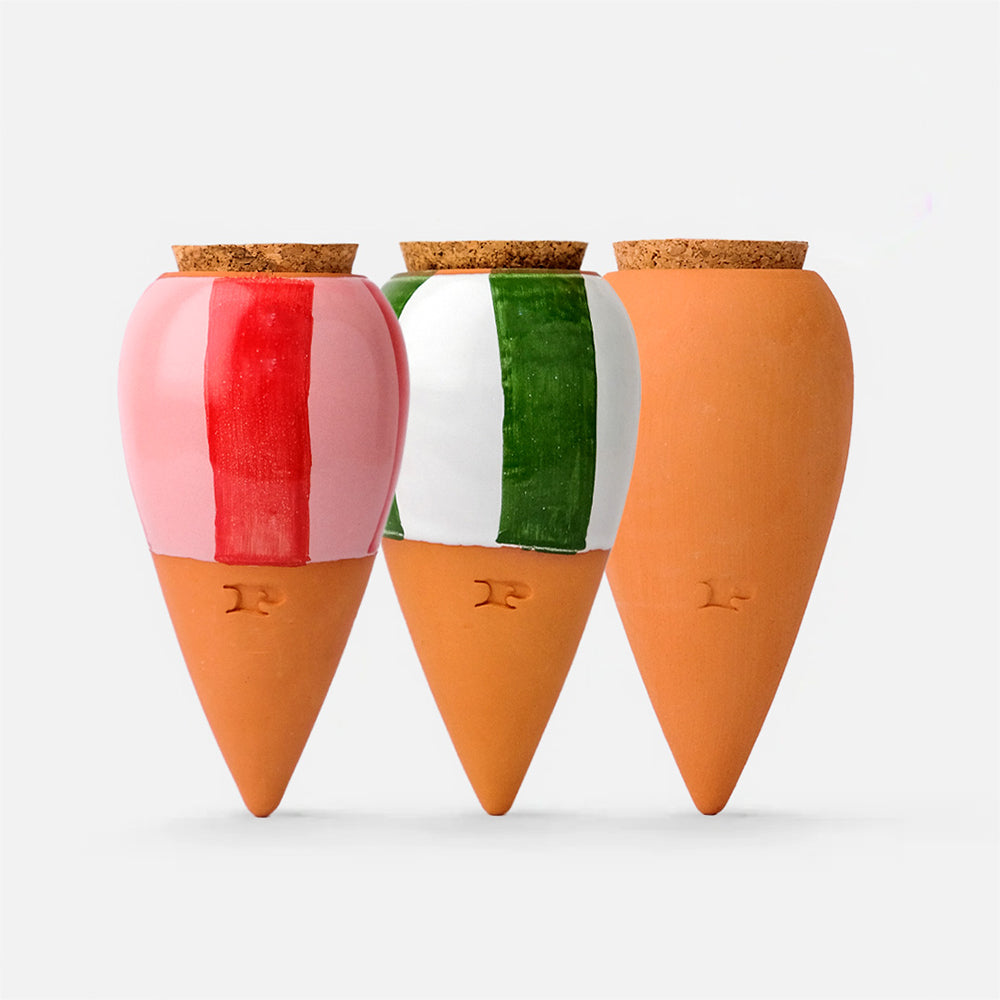
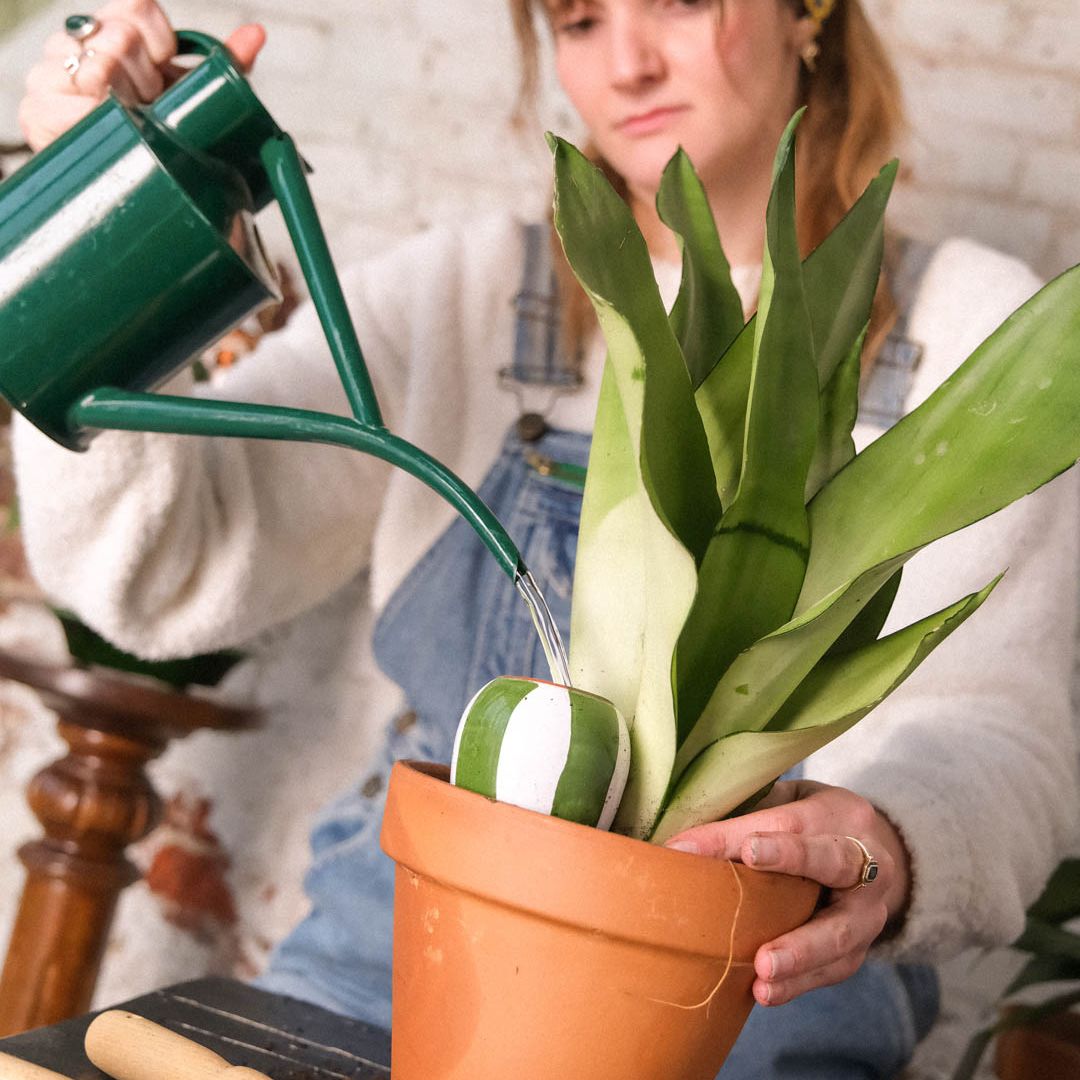
To increase humidity, you can use a humidifier or place an olla nearby, which will deliver the perfect amount of water to your Aglaonema. This porous ceramic water reservoir is very handy for plants that love humidity.
In summer, make sure your plants are not exposed to cold draughts from air conditioners.
Watering
Aglaonemas need well-draining soil. An ideal mix could include peat, gravel, perlite, and fir bark. It is important to avoid overwatering to prevent root rot.
Water them when the soil feels dry to the touch. During the active growth months, usually from spring to autumn, you may need to water more frequently. In winter, reduce watering as the plants enter a dormant period 💤
Propagating Aglaonemas
Aglaonemas can be propagated by division or cuttings. Individual stems can be cut and rooted in water or a light growing medium. This method makes it easy to multiply plants.
To propagate by division, gently remove the mother plant from the pot and separate the clumps of stems, making sure each division has at least three to five leaves and a healthy root system.
For cuttings, cut a section of stem just below a node and place it in a glass of water or a sphagnum mix until roots form. To encourage rooting, you can add a few drops of willow water to the water.
Common problems and solutions
Cold damage
Aglaonemas are sensitive to cold temperatures, which can cause greasy spots on the leaves. It is crucial to maintain an adequate temperature and avoid cold draughts.
If you notice signs of cold damage, such as wilting leaves or black spots, move the plant to a warmer spot as quickly as possible. Remove damaged leaves to prevent them from becoming a source of disease.