
🪴 You have a soft spot for plants and dream of turning your living room into a proper jungle? But you don't know where to start? And you're on your 7th attempt, and you've given up...
We've all been there: buying a plant, bringing it home, not knowing where to put it, forgetting about it and watching it wither.
We've put together a few tips to help you choose the best plant for your space!
Assessing your space
Before you rush off to a garden centre (we know, we all want to), take the time to assess the light in your home. Light is essential for plants as it is one of the primary reasons for their growth and healthy development.
Observe the natural light in each room of your home. You can use a compass to determine the orientation of your windows and understand the quality of the light they receive.
The importance of light for plants
Plants feed on light through photosynthesis. Without sufficient light, their leaves can turn yellow, brown and fall off. Even a hardy plant can struggle in dark corners.
Understanding the light in your home
Observe how the sun moves through your home. Note the times of day when each room is at its brightest.
North-facing windows receive soft light, ideal for plants that don't need much direct light. South- and west-facing windows, on the other hand, offer more intense light, perfect for succulents and cacti.
Plants suited to different light conditions
Every plant has specific light needs.
Here are a few suggestions to help you choose the right plants based on the orientation of your windows :
Plants like ferns, pothos, and calatheas thrive in soft light conditions. These plants generally have finer leaves and prefer indirect light.
Succulents, cacti and certain ficus species are adapted to intense light. These plants have thick or fleshy leaves that allow them to withstand stronger sun exposure.
Specific examples
- Pothos : Ideal for spots with indirect light, such as a north-east facing window.
- Cactus : Perfect for a south-west facing window where the light is intense and direct.
- Calathea : Prefers soft and indirect light, ideal for north-east facing windows.
By understanding the light in your home and choosing plants suited to each condition, you can create an environment where your plants will thrive. Don't forget to observe and adapt to the needs of each plant to give them the best possible conditions.
What type of plant are you looking for?
Your dream plant, beyond the light and care it needs, has to appeal to you! So choose your plants according to your tastes and how you like your plants.
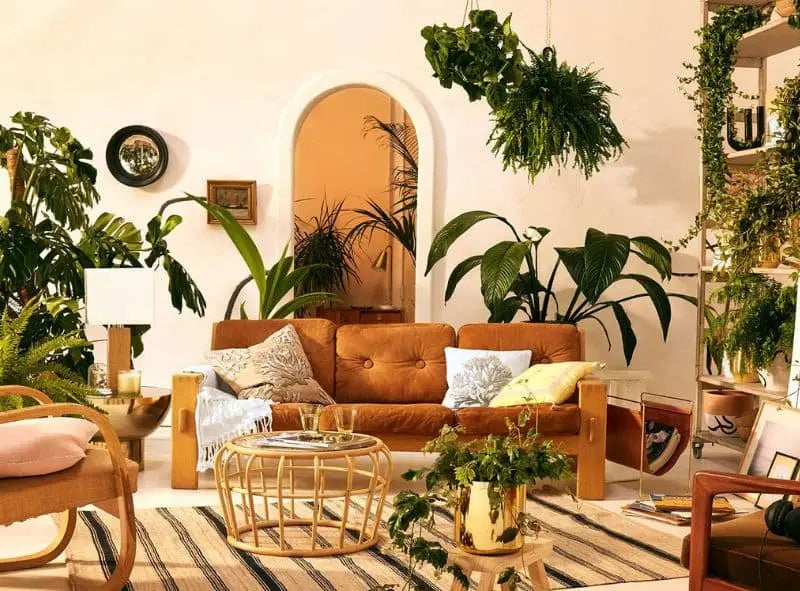
Also think about the appearance and function of the plant in your space. Are you looking for a large plant for an empty corner or a hanging plant to decorate a shelf?
- Large and striking plants : Ideal for filling empty corners or creating a focal point in a room. For example, a Monstera deliciosa will fit perfectly in an empty corner of your living room.
- Hanging plants : Perfect for adding a touch of greenery to your shelves or for decorating elevated spaces. Pothos or spider plants will look great on your shelves.
- Small-leaved plants :Ideal for desks or small spaces where you want to add a touch of greenery without cluttering the area. A Fittonia or a pilea will do the job perfectly.
Creating the right conditions
Even if your home isn't ideal for certain plants, you can create the conditions they need to thrive. Using grow lights and humidifiers can greatly improve the environment for your plants.
Grow lights are an effective solution for compensating for the lack of natural light. They provide the light spectrum needed for photosynthesis and can be used to extend the duration of light exposure, especially in winter. LEDs are often preferred for their energy efficiency and low heat output.
It is important to place the lights at an appropriate distance from the plants to avoid burning the leaves while ensuring sufficient exposure.
Maintaining adequate humidity is also crucial for many houseplants, particularly tropical plants. Using a humidifier can increase ambient humidity, especially in winter when central heating dries out the air. You can also group your plants together to create a more humid microclimate. Another method is to place your pots on trays filled with pebbles and water; the evaporation of the water will increase the humidity around the plants.
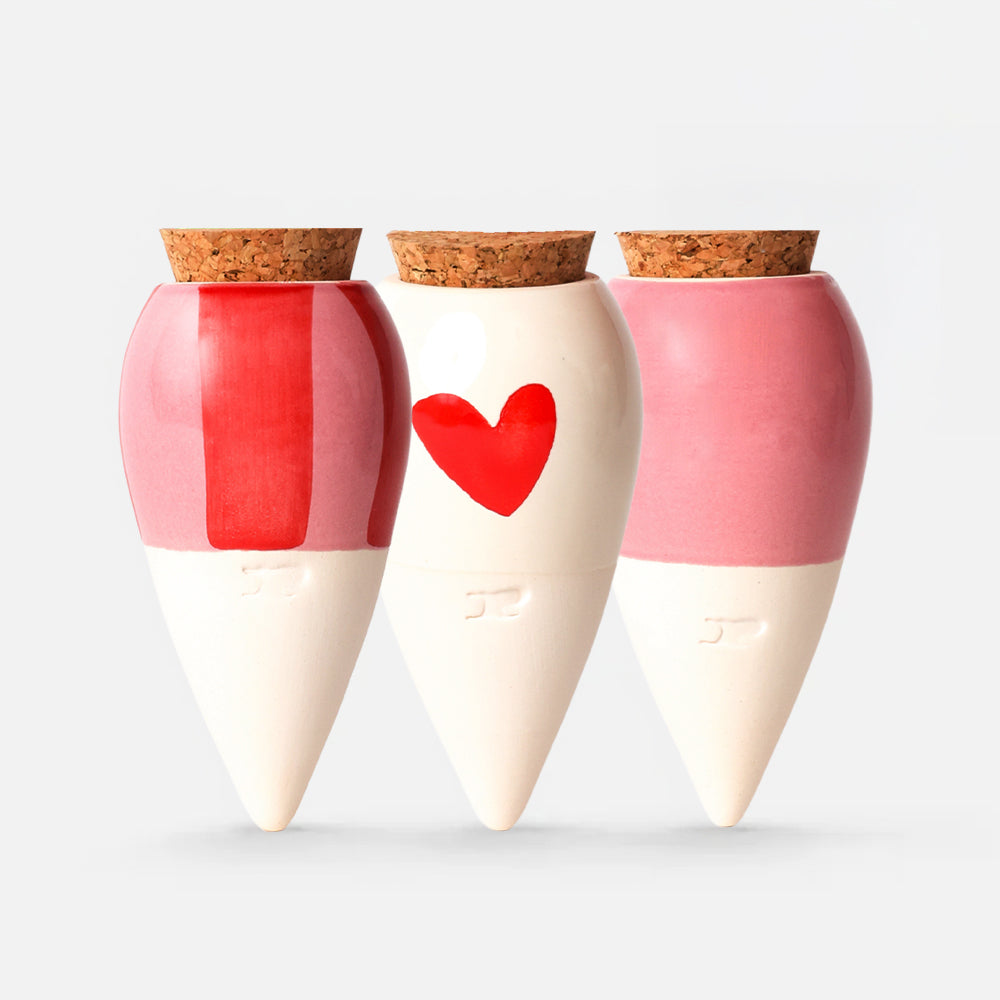
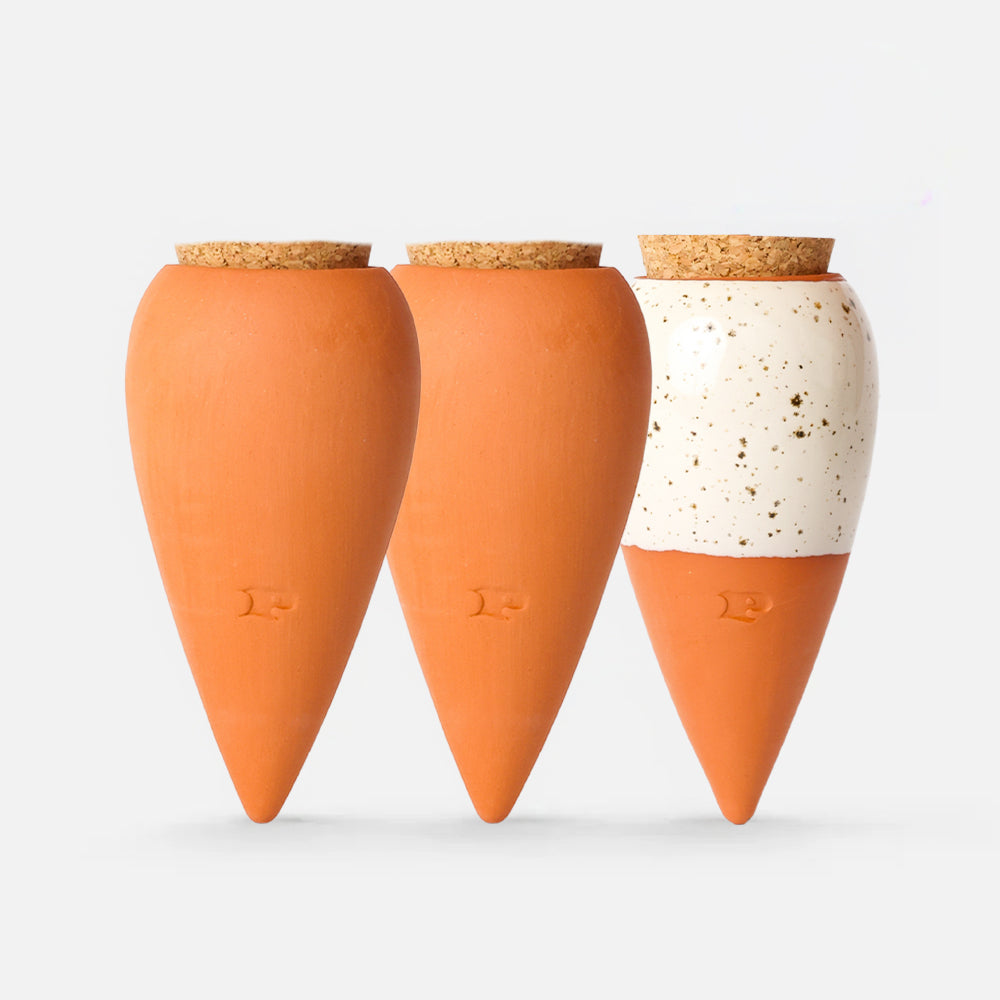
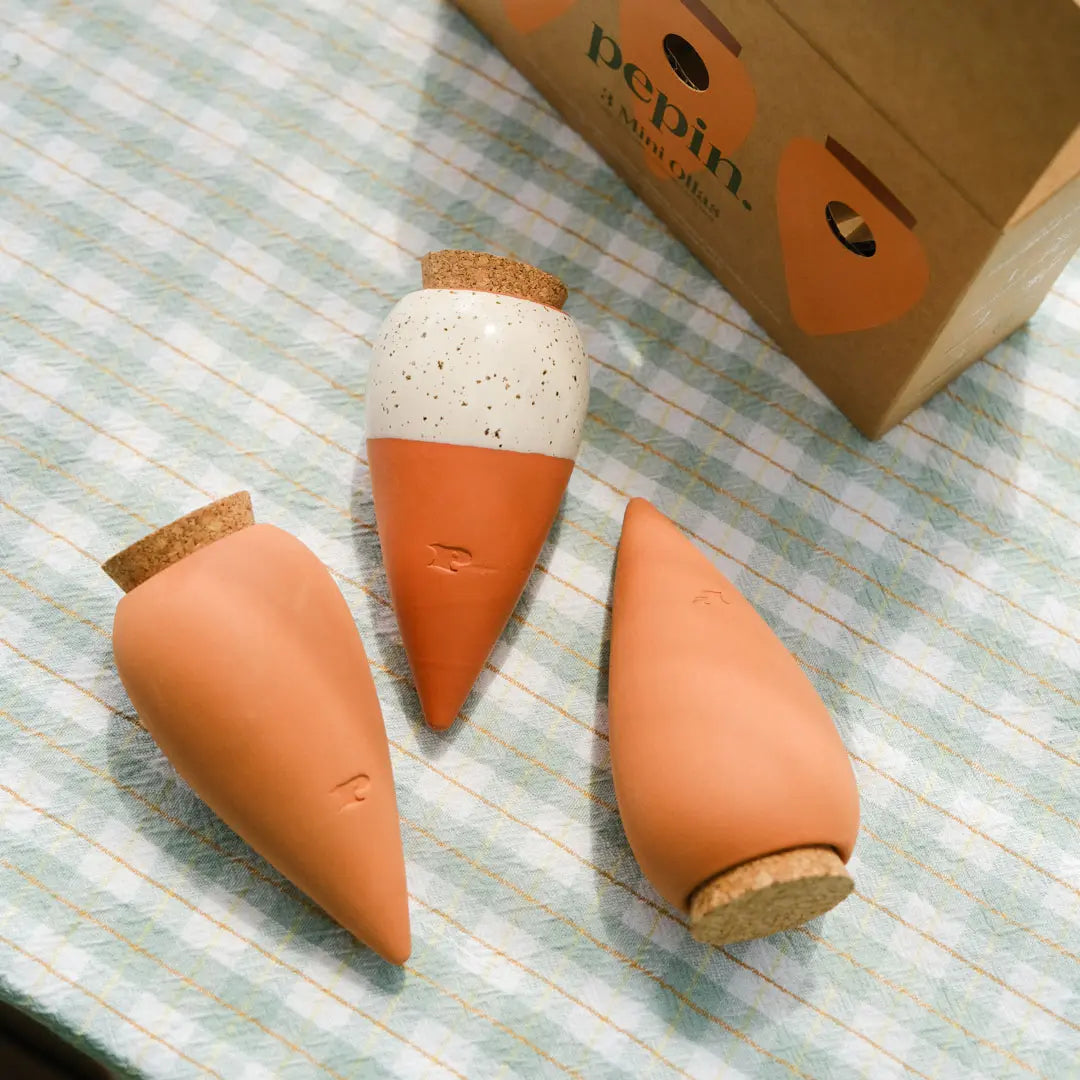
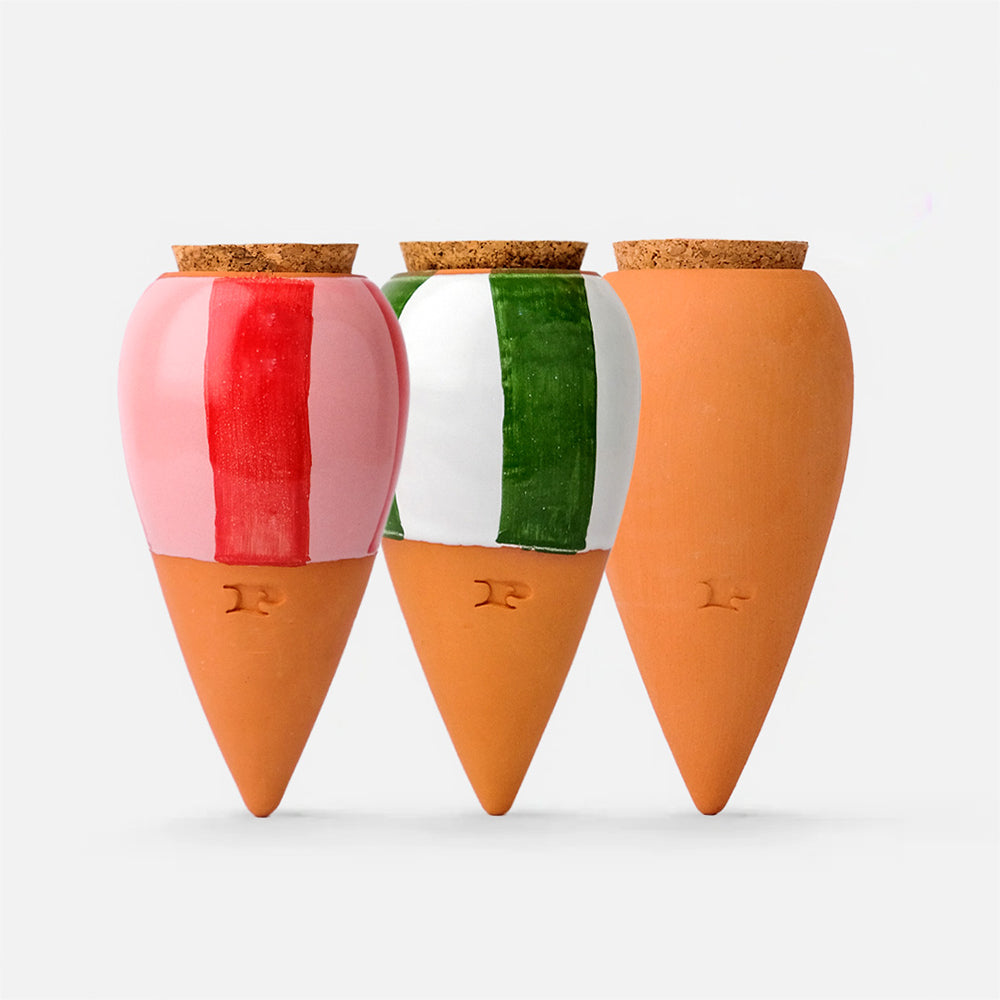
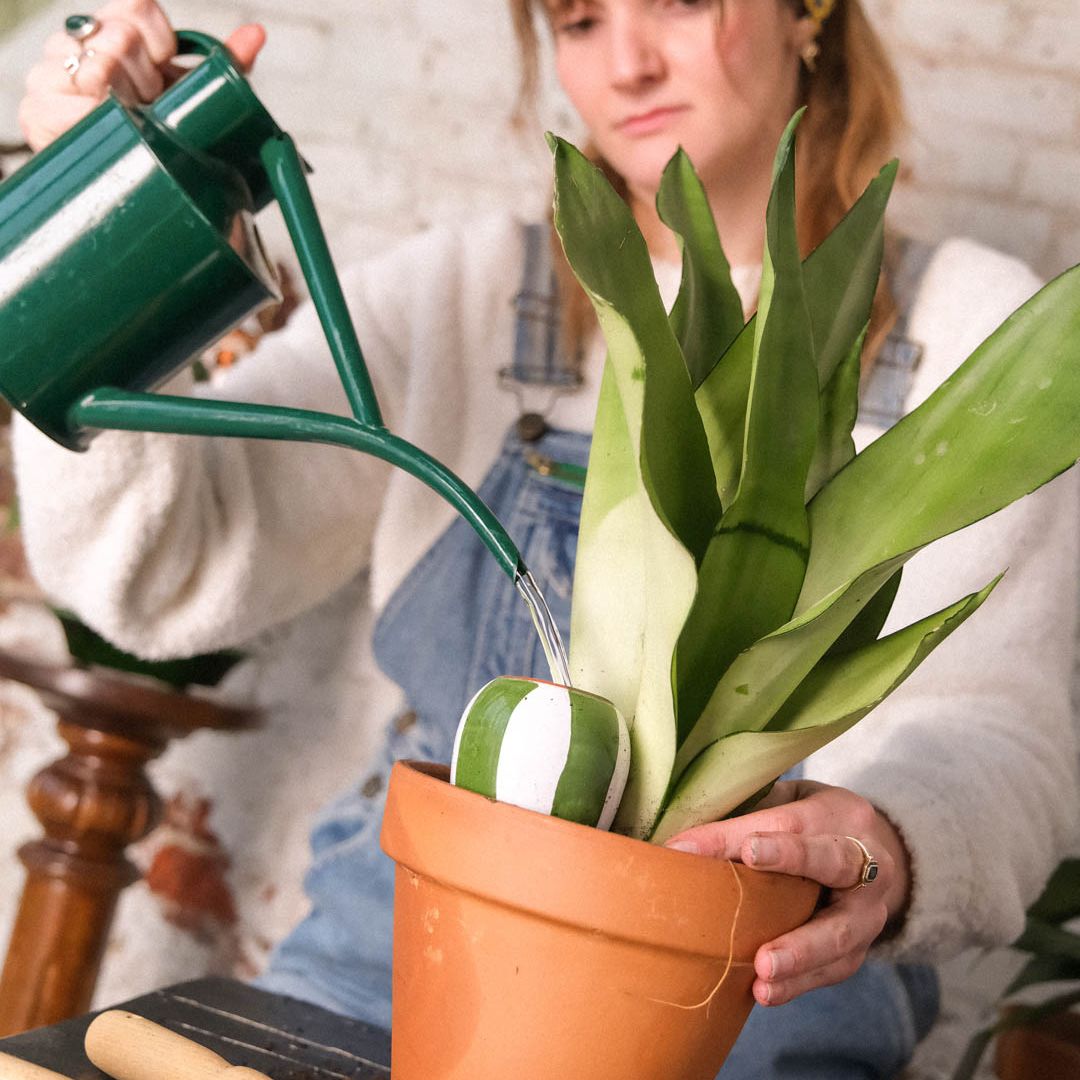
To also maintain optimal humidity and hydration, you can use ollas. These are small terracotta water reservoirs, planted in the soil, to water your plants directly at the roots. Water is released slowly and according to each plant's needs, allowing plants to stay hydrated despite the occasional forgotten watering.
Terrariums are an excellent option for plants that require constant humidity. They create an enclosed environment where moisture is maintained naturally, which is ideal for delicate plants.
By adjusting light and humidity, you can transform your home into a welcoming environment for a wide variety of plants, even those with specific needs.
Every plant has unique needs, and it's important to understand and respect them so they can thrive 💚