
- Light ☀️
Thrives in medium indirect light, but can tolerate low indirect light
- Watering 💧
Water every 2 to 3 weeks. Let the soil dry out between waterings. Expect to water more often in brighter light and less often in lower light.
- Signs of an unhappy plant 🤒
Wrinkled leaves, dry soil: thirsty plant
Mushy leaves, damp compost: overwatered
- Ease of care ❤️🩹
❤️🩹❤️🩹❤️🩹❤️🩹❤️🩹/5
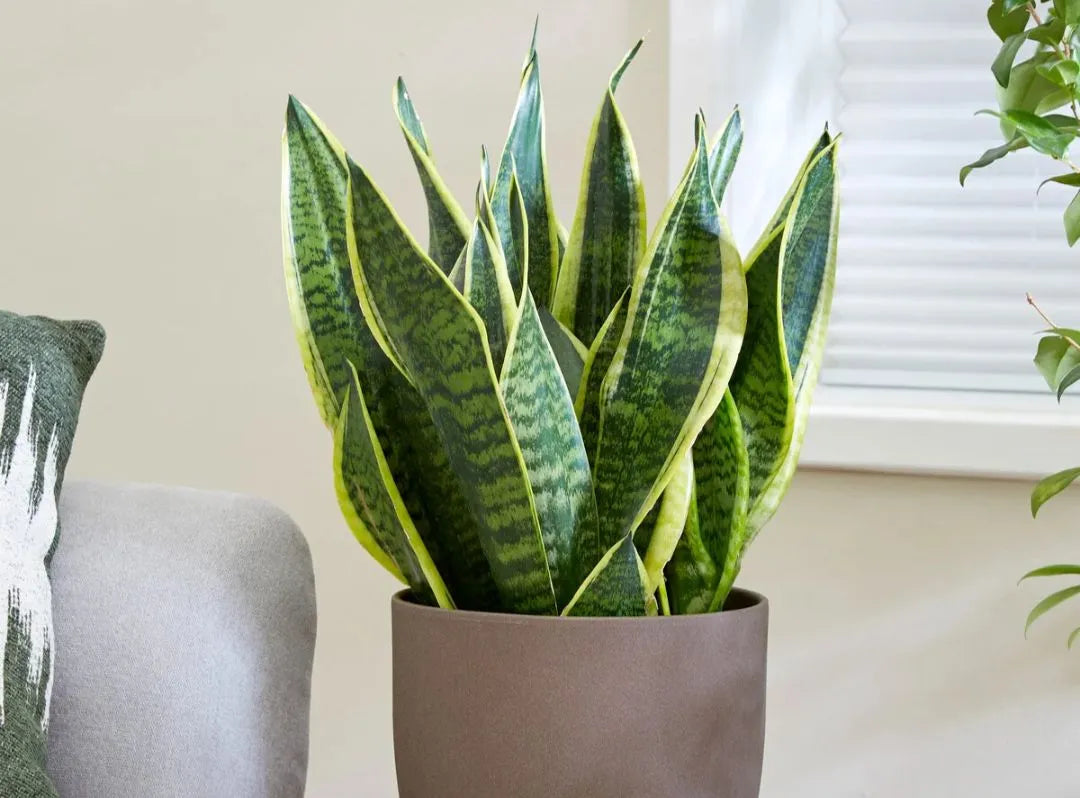
🐍 The Sansevieria, or snake plant, is one of the most popular houseplants thanks to its hardiness and ability to survive in a variety of conditions. However, for it to truly thrive, it's important to understand its needs and common little issues.
Let's explore these aspects together in detail to help you take the best care of your Sansevieria.
Soil mix optimisation
If you tend to water too generously, it's crucial to make your compost more porous to avoid root rot. Add gravel, perlite or horticultural sand to improve the soil structure.
Research 🔍 shows that modifying peat mixes with a little more sand can make your plants much more prosperous.
You can also use small stones, black and red lava rocks, and avoid vermiculite as it retains water.
Temperature regulation
Sansevieria is fairly tolerant of varied conditions, but prefers temperatures between 7 and 24°C (well, normally your living room should be within these two temperatures, otherwise something's not quite right...)
Outside, it can tolerate slight coolness. But it's better to keep mature plants above 10°C.
For rooting, when your plant is still a baby, keep the compost temperature between 21 and 24°C. For growth, they love warmth.
Also make sure to maintain a good level of humidity and adequate air circulation to promote root growth.
Propagation techniques
Division is one of the most common and effective methods of propagating your Sansevieria.
Divide the stems to preserve the colour patterns, especially if your plant has lots of mottling or variegation.
To do this, gently separate the stems and replant them in a new pot with well-draining compost.
And to give them a boost after repotting, you can use willow water
1. Add 2 full pipettes to 100ml of water
2. Water after repotting
And thanks to this natural preparation, your cuttings and seedlings will grow before your very eyes 👀
Common problems and solutions
Sansevieria is not very frost-resistant. If exposed to temperatures that are too low, the tissues can freeze and cause irreparable damage.
If you're used to putting your plant outside, bring it in when it's cold and avoid draughts.
Overwatering is a common problem that can lead to root rot. Use a well-draining compost and adjust your watering frequency to avoid these issues.
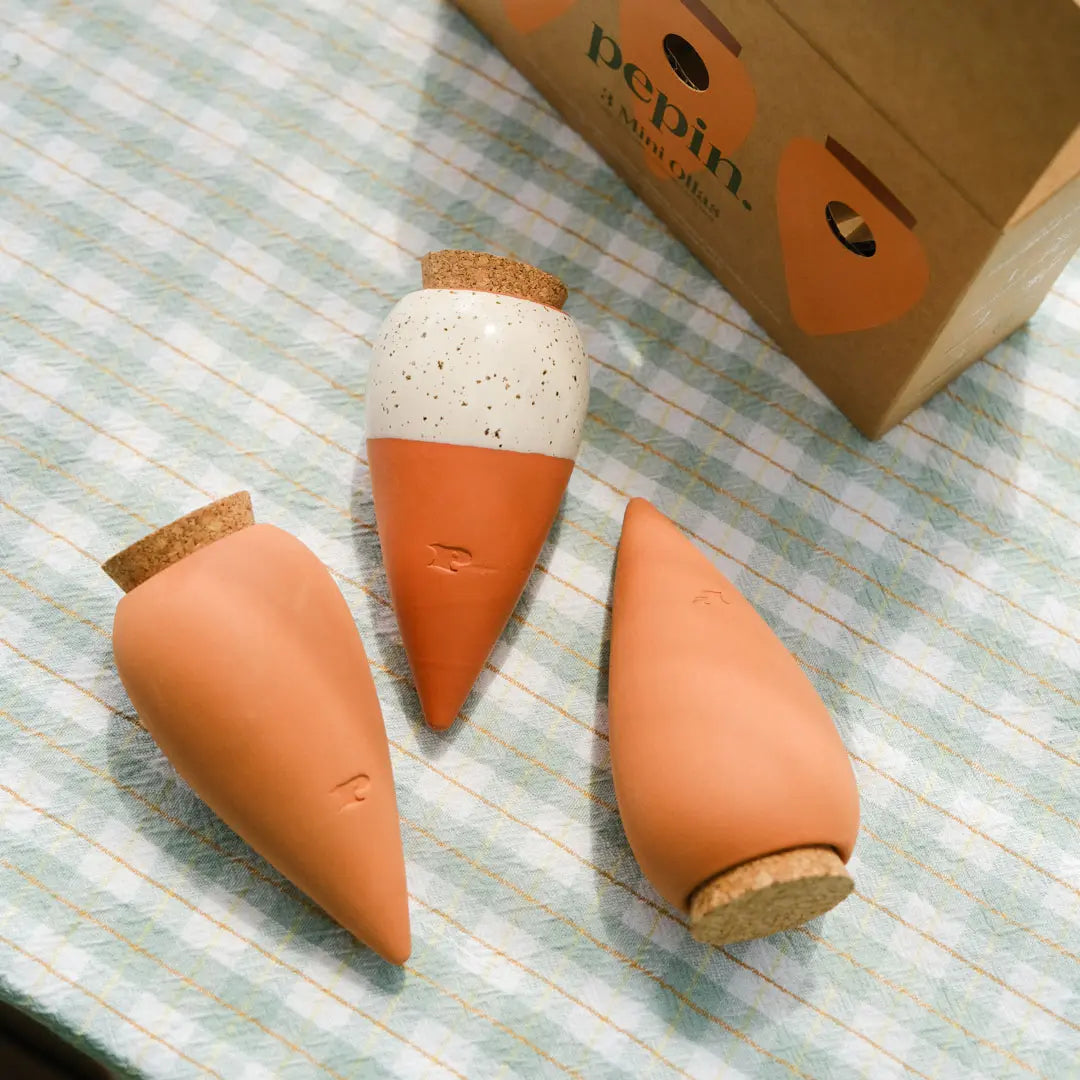
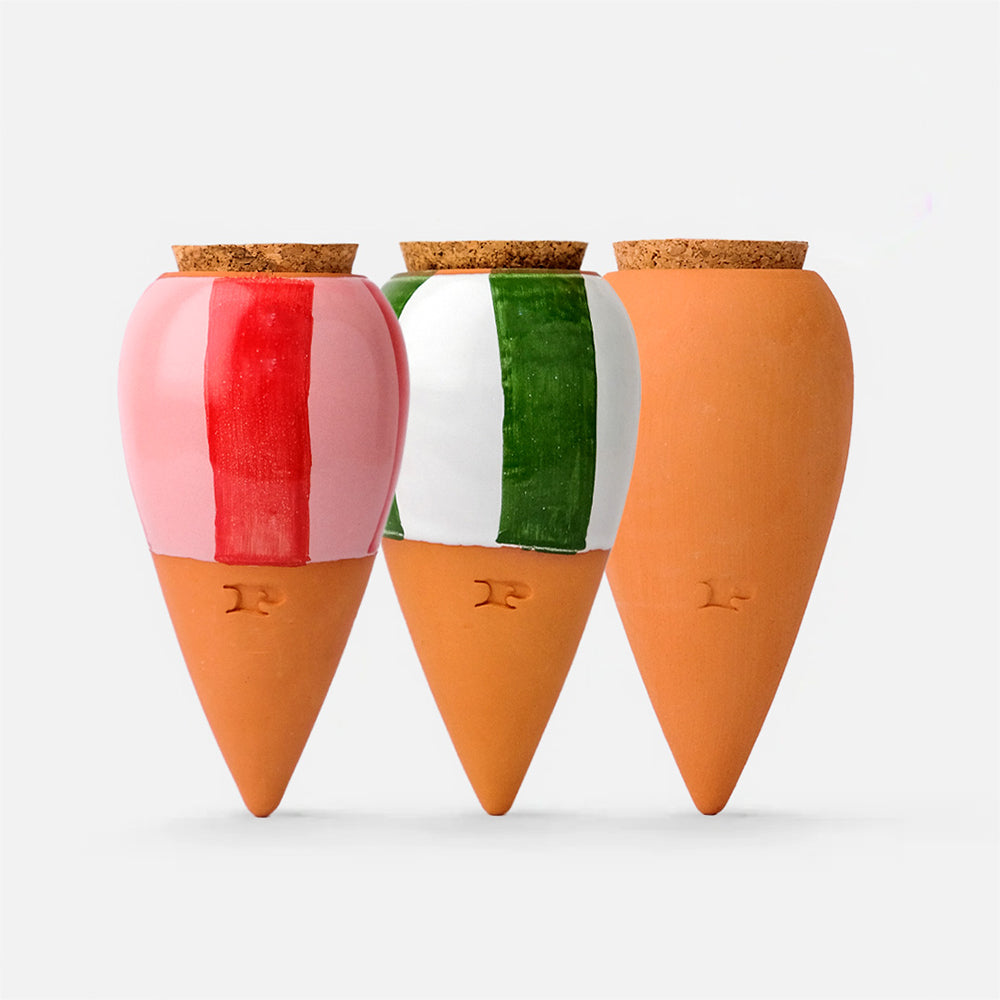
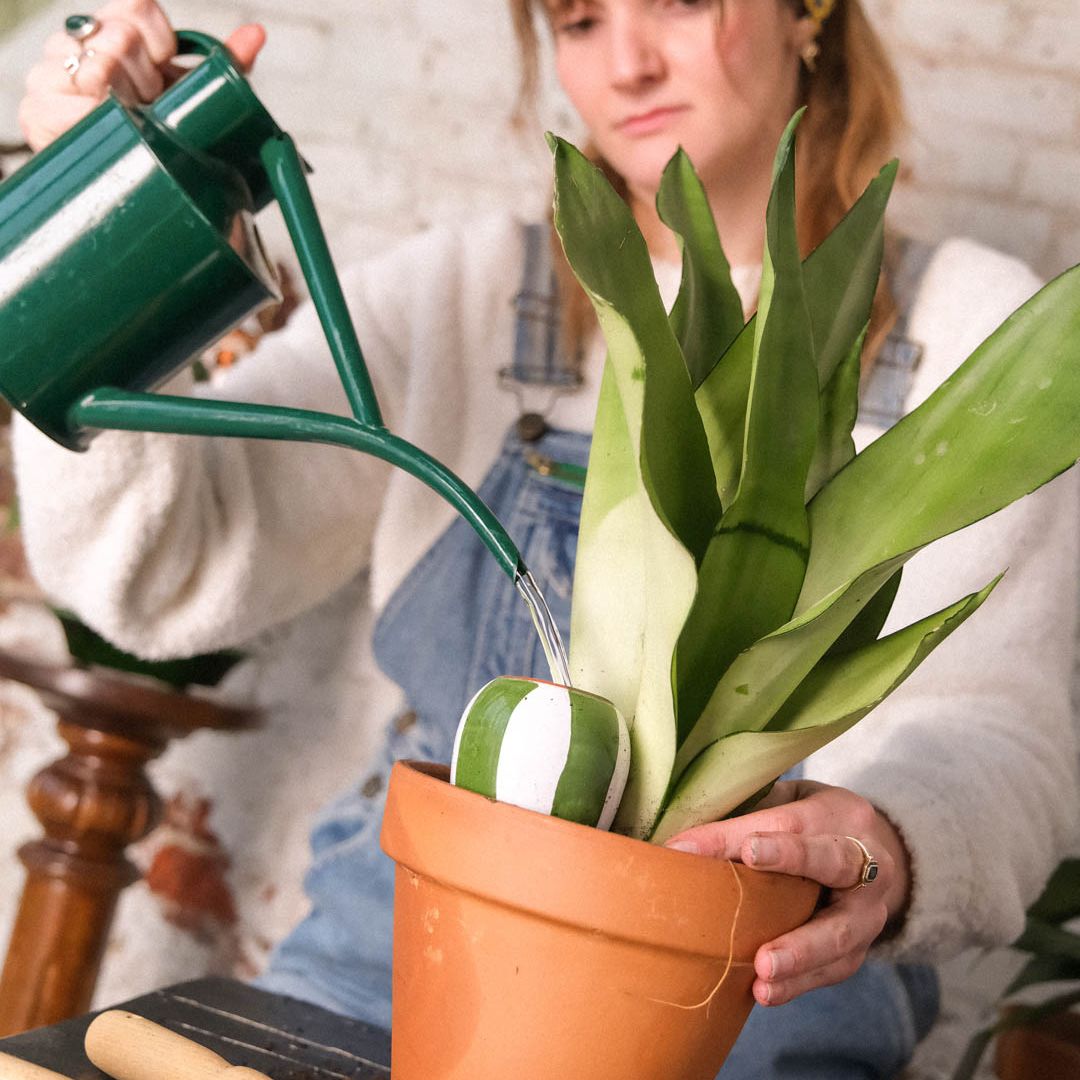
You can also use an Olla, if you tend to have a heavy hand with watering.
This porous ceramic water reservoir slowly and autonomously diffuses water directly to the roots. It's an ancestral method that respects the natural rhythm of plants, providing them with the water they need, when they need it.
Sansevierias can be infested by thrips, brown scale insects and mealybugs.
You can use natural insecticides such as neem oil to control these attacks.
Clean the leaves regularly and inspect them frequently to detect signs of pests.
To clean them, you can also use our mist.
If your leaves show signs of stunted growth or deformation, inspect the roots for small worms or mechanical damage.
Also make sure your plant receives enough light, but not too direct, to avoid leaf burn.
Ideal plant placement
Sansevierias, like the Dracaena trifasciata 'Laurentii', with their vertical structure, are ideal for corners of the home with little space but plenty of indirect light.
Simply make sure the leaves are not bent or broken when placing them in high-traffic areas.
Caring for your Sansevieria requires special attention 💚 Every Sansevieria is unique and may need specific care to fully thrive in your space.